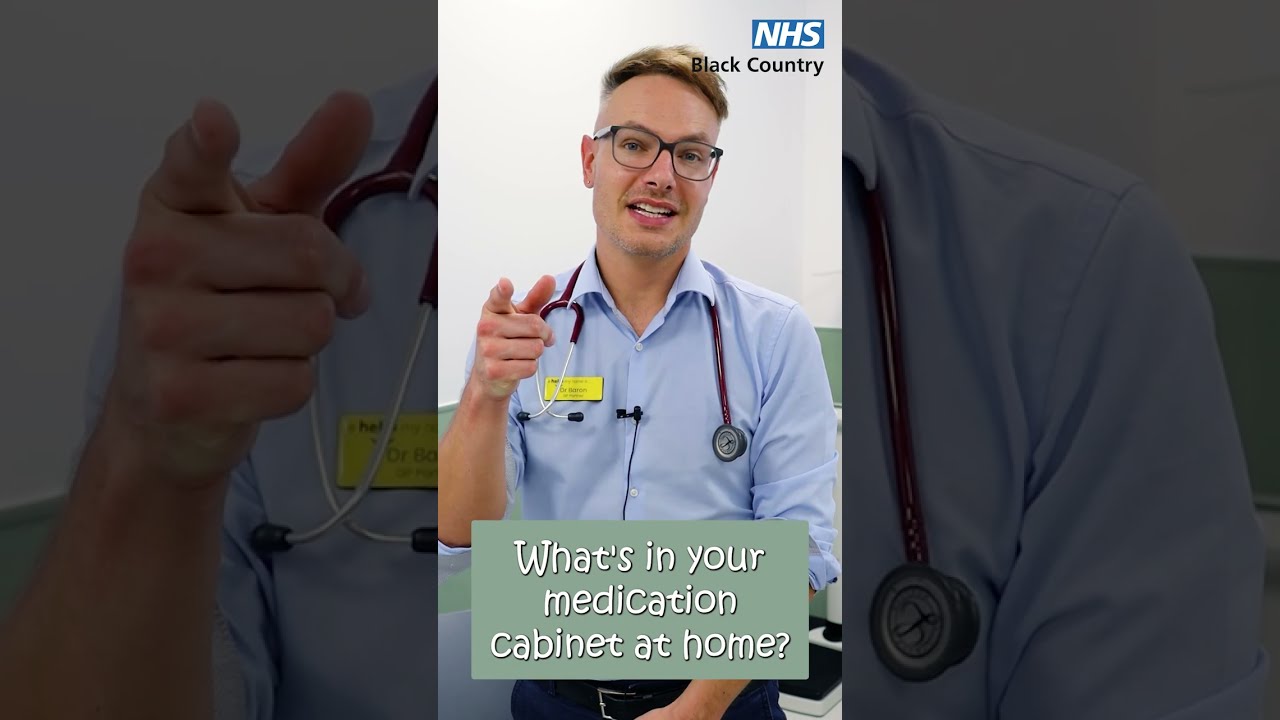
Keeping a well-stocked medicines cabinet to keep you and your family well.
You can be prepared for common illnesses and minor injuries by keeping a well-stocked medicine cabinet at home. Medicines should be stored out of sight and reach of children, in a cool, dark place. Light, temperature and moisture can affect some medicines.
When taking any medication, you should always read the label and never take more than the directed dose. If you have any questions or concerns about over-the-counter medicines, speak to your community pharmacist. They can provide valuable advice on the appropriate use of these products.
It is important to remember that with the rise in the cost of living, you do not need to purchase brand name medicines. Supermarket or pharmacy own brands work in exactly the same way and are often cheaper.
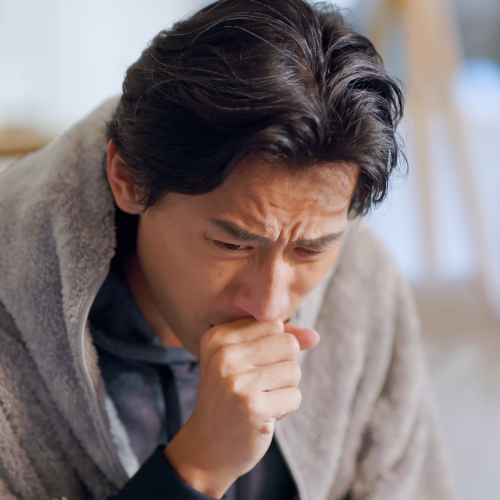
Painkillers like paracetamol and ibuprofen are highly effective at relieving most minor aches and pains, such as headaches and period pain. These medicines also help with some minor ailments, such as the common cold, by reducing aches, pain and high temperatures. Ibuprofen can also help reduce the inflammation seen in arthritis and sprains.
Decongestants are a type of medicine that can provide short-term relief for a blocked or stuffy nose.
They can help ease the symptoms of conditions such as colds and flu, hay fever and other allergic reactions, catarrh and sinusitis. Decongestants are available as tablets, capsules, nasal sprays, liquids or powders.
If you have heartburn, a simple antacid will reduce stomach acidity and bring relief. Antacids come as chewable tablets, tablets that dissolve in water, or in liquid form.
Anti-diarrhoea medication such as loperamide can quickly control the symptoms of short-term diarrhoea caused by e.g. food poisoning or a stomach virus. Speak to your GP or pharmacist for advice about a child with these symptoms.
Oral re-hydration salts help to restore the body’s natural balance of minerals and fluid caused by dehydration. We can become dehydrated due to fever, diarrhoea or vomiting.
Antihistamines are useful medicines used to relieve symptoms of allergies, such as hay fever, hives, allergic conjunctivitis and reactions to insect bites or stings. Antihistamine creams are applied to the skin to soothe insect stings and bites, rashes and itching from stinging nettles. Tablet or liquid antihistamines can help control hay fever symptoms and calm minor allergic reactions to food, and can also help calm itchiness during chickenpox.
A well prepared first aid kit can help treat minor cuts, sprains and bruises, and reduce the risk of cuts becoming infected. You should consider including the following items:
- Bandages – can support injured limbs, such as a sprained wrist, and also apply direct pressure to larger cuts before being treated in hospital.
- Plasters – a range of sizes, waterproof if possible.
- Eyewash solution – this will help wash out grit or dirt in the eyes.
- Thermometer – digital thermometers that you put in your mouth produce very accurate readings. An under-arm or ear thermometer may be better for babies and young children.
- Sterile dressings – larger injuries should be covered with a sterile dressing to prevent infection until treatment can be given by a healthcare professional.
- Tweezers – for taking out splinters. If splinters are left in, they can cause discomfort and could become infected.
- Antiseptic cream, spray or wipes – these can be used to clean cuts before they’re bandaged, and treat other conditions including insect stings, ulcers and pimples.